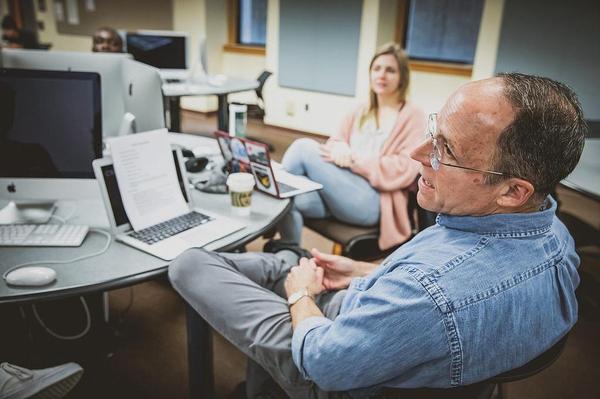
See what I've been working on!

AI integration at the University of Minnesota leaves uncertain future for education

"AI integration at the University of Minnesota leaves uncertain future for education” explains how artificial intelligence is increasingly shaping classroom learning at the University of Minnesota, with students using tools like ChatGPT to improve efficiency and access to information. While some view AI as a valuable academic aid, others worry it may weaken critical thinking, originality and long-term skill development. Faculty responses remain mixed, with inconsistent policies on AI use reflecting broader uncertainty. Ultimately, the article argues that AI will continue to play a major role in higher education, leaving students and educators to navigate both its benefits and risks.
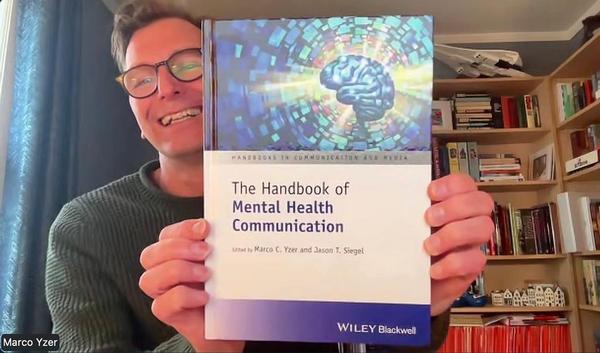
Yzer connects theory to life

“Yzer connects theory to life” highlights how University of Minnesota professor Marco Yzer uses real-world examples and interactive teaching to help students apply communication theories to everyday life. In his media effects class, Yzer goes beyond memorization by encouraging students to think critically about how messages influence beliefs, behaviors and health decisions, especially in areas like mental health. Drawing from his research, he shows how communication shapes perceptions of issues such as depression and anxiety, making abstract concepts more relevant and practical. Students describe his approach as engaging and impactful, emphasizing that his teaching helps them understand how theory directly applies to real-life situations and decision-making.

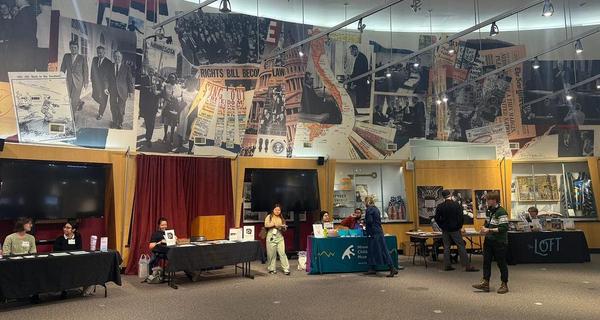
Art department supports student career development

“Art department supports student career development” describes how the University of Minnesota’s CLA Art & Art History Career Fair connects students with professionals, internships and job opportunities in the arts. At the event, students networked with local organizations, asked questions and gained insight into building careers, while employers emphasized the importance of creativity, flexibility, teamwork and self-direction. Faculty and organizers highlighted that these connections help students transition from school to the workforce, showing that hands-on experiences and networking are key to success in competitive creative fields.